
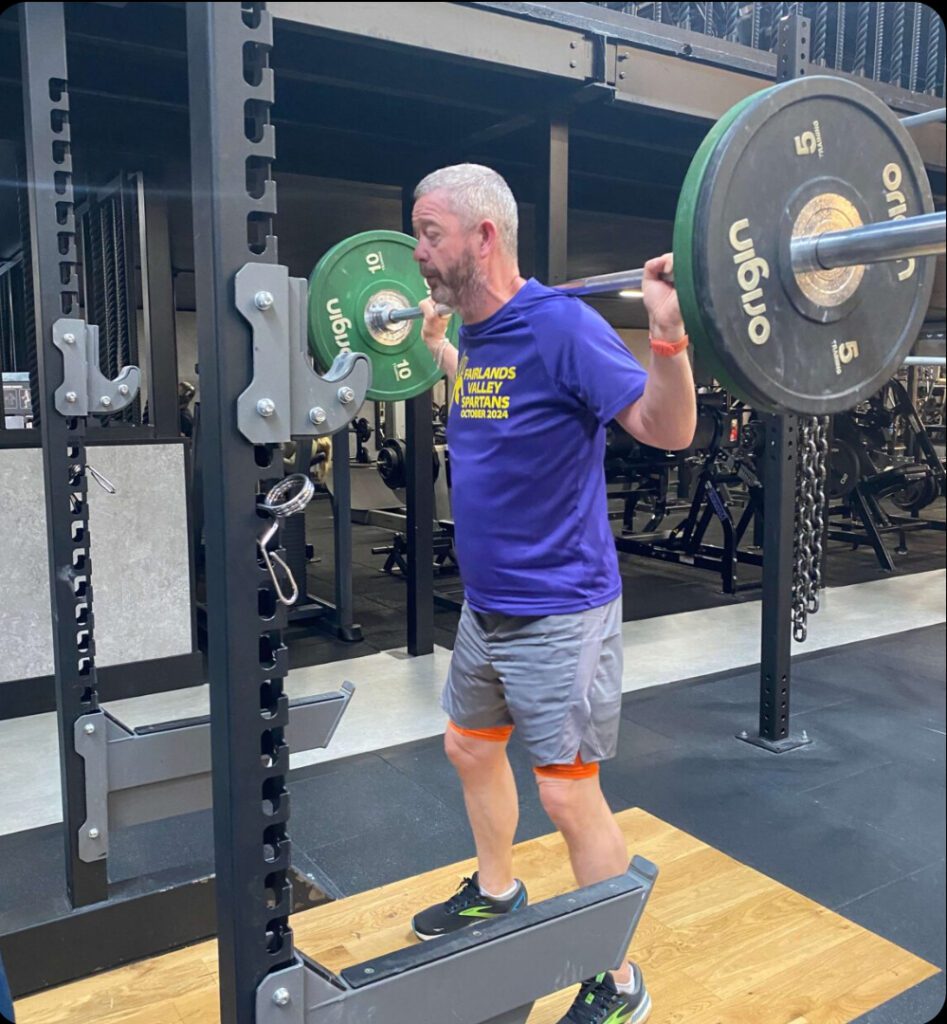
Why Runners Should Squat and Deadlift: The Strength Secret to Speed, Stability, and Longevity
Runners, It’s Time to Lift
If you’re a runner over 30, chances are you’ve hit a plateau. Your race times have stalled, niggles are creeping in, and recovery takes longer than it used to. You’re still putting in the miles — but something’s missing.
Here’s the truth: running alone isn’t enough.
To run faster, longer, and injury-free, you need strength. And two of the most powerful tools in your training arsenal are squats and deadlifts.
These aren’t just gym bro exercises. They’re foundational movements that build the kind of strength runners need — from the ground up.
Why Strength Training Matters for Runners
Running is a repetitive, high-impact sport. Without strength, your body struggles to absorb force, maintain form, and recover efficiently. That’s where squats and deadlifts come in.
✅ Improved Running Economy
Studies show that strength training improves running economy — the amount of energy you use at a given pace
✅ Injury Prevention
Weak glutes, hamstrings, and core muscles are common culprits behind runner’s knee, IT band syndrome, and plantar fasciitis. Squats and deadlifts strengthen these areas, improving joint stability and reducing injury risk
✅ Better Posture and Form
Deadlifts reinforce proper hip hinge mechanics and spinal alignment, while squats build lower body symmetry and core control. Together, they help you maintain good running form — especially when fatigue sets in.
Squats for Runners: Building Power and Stability
Squats are a multi-joint movement that targets the quadriceps, glutes, hamstrings, and core. They mimic the movement patterns of running and help build the strength needed for powerful strides and uphill efforts.
Benefits of Squats:
- Glute activation for propulsion
- Core engagement for balance and posture
- Knee stability through quad and hamstring strength
- Improved mobility in hips and ankles
Squat Variations for Runners:
- Bodyweight squats (great for beginners)
- Goblet squats (adds load and core challenge)
- Bulgarian split squats (unilateral strength and balance)
- Box squats (teaches control and depth)
Want to learn how to squat properly? Check out the Stronger Fitter Faster Program — designed specifically for runners over 30.
Deadlifts for Runners: Unlocking the Posterior Chain
Deadlifts are the king of posterior chain development — targeting the glutes, hamstrings, lower back, and core. These muscles are essential for forward propulsion, stride length, and injury resistance.
Benefits of Deadlifts:
- Stronger glutes and hamstrings for speed and power
- Improved hip stability for better stride mechanics
- Core strength for posture and injury prevention
- Enhanced grip and coordination
Deadlift Variations for Runners:
- Romanian deadlifts (hamstring focus)
- Trap bar deadlifts (easier on the lower back)
- Single-leg deadlifts (balance and unilateral strength)
- Rack pulls (partial range for beginners)
Deadlifts can be intimidating, but with proper coaching, they’re incredibly effective.
How to Integrate Squats and Deadlifts into Your Running Plan
You don’t need to become a powerlifter. Just two strength sessions per week can make a huge difference.
Sample Weekly Schedule:
- Monday: Easy run + mobility
- Tuesday: Strength session (squats, core)
- Wednesday: Tempo run
- Thursday: Rest or mobility
- Friday: Strength session (deadlifts, glutes)
- Saturday: Long run
- Sunday: Recovery
Focus on quality over quantity. Use moderate weights, controlled tempo, and prioritize form. Strength training should complement your running — not compete with it.
Real Results: What Runners Say
“Adding squats and deadlifts to my training helped me finally break my 5K plateau. I feel stronger, faster, and more confident.” – Mark, 42
“I used to get injured every training cycle. Since working with Andy and lifting twice a week, I’ve stayed injury-free and hit new PBs.” – Sarah, 37
Want to see what’s possible? Explore Andy’s coaching approach and discover how strength can transform your running.
Scientific Backing: What the Research Says
A 2014 systematic review found that strength training improves time-trial performance, running economy, and maximal oxygen uptake in endurance athletes.
Another study published in Sports (2024) showed that both endurance-first and strength-first training sequences led to performance gains — meaning you can safely combine running and lifting
The takeaway? Strength training works. And squats and deadlifts are two of the most effective exercises you can do.
Stronger Legs, Smarter Running
Squats and deadlifts aren’t just gym exercises — they’re performance tools. For runners over 30, they offer a way to train smarter, stay injury-free, and rediscover the joy of running.
If you’re ready to break through your plateau and build strength that lasts, let’s talk. Book a free consultation and start your journey toward stronger, fitter, faster running.
Other posts you might find helpful;
Top tips for runners over 40
Does Pilates and yoga help running
How do you put your socks on?