
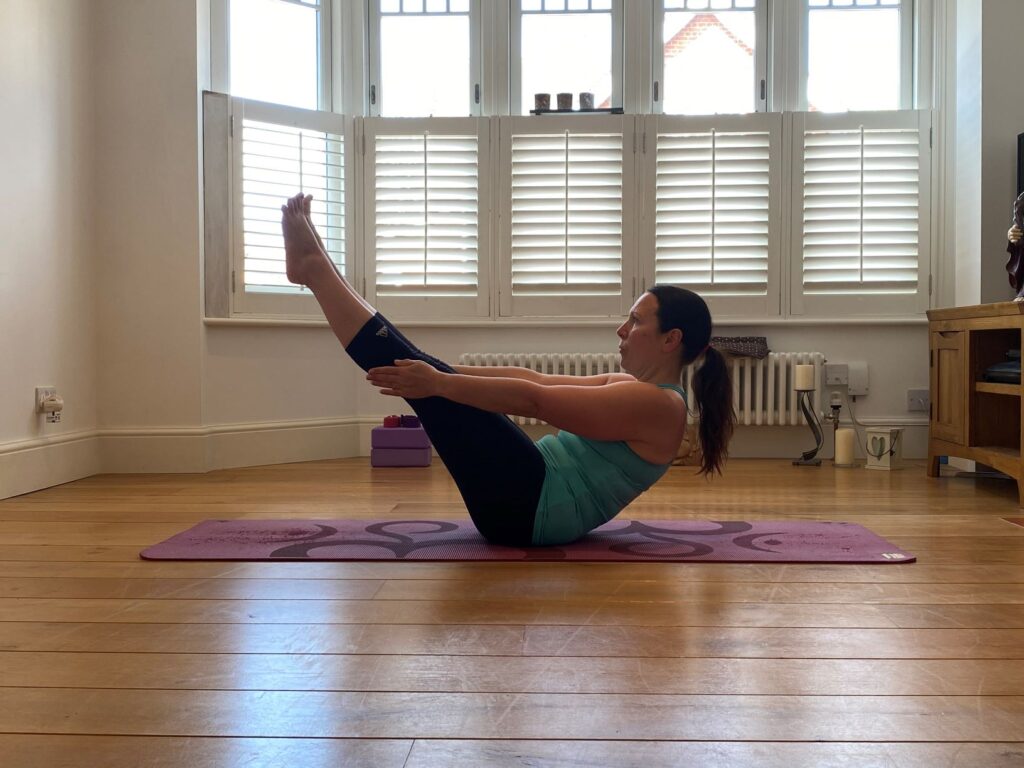
Why All Marathon Runners Should Strengthen Their Core
Why All Marathon Runners Should Strengthen Their Core: The Missing Link to Performance and Injury Prevention
Whether you’re training for your first marathon or chasing a new personal best, there’s one area of fitness that runners often overlook: core strength. While logging miles and perfecting your pacing are essential, building a strong and stable core can be the difference between finishing strong and breaking down mid-race.
In this article, we’ll explore why core training is essential for marathon runners, how it impacts performance and injury prevention, and how to integrate it into your training plan.
What Is the Core, Really?
The “core” isn’t just your abs. It includes a network of muscles that stabilise your spine, pelvis, and shoulders:
- Rectus abdominis (front abs)
- Obliques (side abs)
- Transverse abdominis (deep stabilising muscles)
- Erector spinae (lower back)
- Glutes and hip stabilisers
- Diaphragm and pelvic floor
Together, these muscles form the foundation for efficient movement, postural control, and force transfer—all critical for long-distance running.
Why Core Strength Matters for Marathon Runners
1. Improved Running Economy
A strong core helps maintain proper posture and alignment, reducing energy waste. Studies show that runners with better core stability use less oxygen at a given pace, improving endurance.
2. Reduced Injury Risk
Weak core muscles can lead to compensations in the hips, knees, and ankles. This increases the risk of common running injuries like:
- IT band syndrome
- Runner’s knee
- Lower back pain
- Shin splints
3. Better Posture and Form
As fatigue sets in during a marathon, posture tends to collapse. A strong core helps you maintain upright form, reducing strain on joints and improving stride efficiency.
4. Enhanced Balance and Stability
Core strength improves proprioception and balance, especially on uneven terrain or during fatigue. This is crucial for trail marathons or races with elevation changes.
The Science Behind Core Training for Runners
Research published in the Journal of Strength and Conditioning Research found that runners who incorporated core training twice a week for six weeks improved their 5K times and reduced perceived exertion.
Another study in Sports Biomechanics showed that core fatigue leads to altered running mechanics, increasing the risk of injury and reducing performance.
Signs Your Core Needs Work
- You slouch or lean forward during long runs
- You experience lower back pain after running
- Your stride shortens as fatigue sets in
- You struggle with balance or coordination
- Your hips drop or rotate excessively during gait
Core Exercises for Marathon Runners
Here are runner-specific core exercises that target stability, endurance, and functional strength:
1. Plank Variations
- Standard plank
- Side plank
- Plank with shoulder taps
- Plank with leg lifts
2. Dead Bug
Improves coordination and core control while protecting the lower back.
3. Bird Dog
Targets the deep stabilisers and improves balance.
4. Glute Bridges
Strengthens the posterior chain and supports pelvic stability.
5. Russian Twists
Enhances rotational control and oblique strength.
6. Pallof Press
Anti-rotation exercise that builds core stability under tension.
How to Integrate Core Training Into Your Marathon Plan
- Frequency: 2–3 times per week
- Duration: 15–20 minutes per session
- Timing: After easy runs or on cross-training days
- Progression: Increase reps, add resistance, or introduce instability (e.g., BOSU ball)
Common Mistakes to Avoid
- Doing only crunches: These neglect deeper stabilisers and can strain the neck.
- Skipping progression: Your core adapts—challenge it with new stimuli.
- Ignoring form: Poor technique reduces effectiveness and increases injury risk.
- Overtraining: Core muscles need recovery too—avoid daily high-intensity sessions.
Core strength is the missing link in many marathon training plans. While endurance, speed, and mileage get most of the attention, your core is quietly working behind the scenes to keep you upright, efficient, and injury-free.
By integrating targeted core exercises into your weekly routine, you’ll not only improve your running economy but also build resilience against fatigue and injury. It’s not about aesthetics—it’s about functionality and longevity in the sport.
Whether you’re training for your first marathon or your fiftieth, don’t neglect your core. It’s the foundation of every step you take.
Need advice, don’t hesitate to get in touch.